
Leads for Roofing: How to Generate, Qualify and Convert High-Value Prospects
Published by Adam Yates
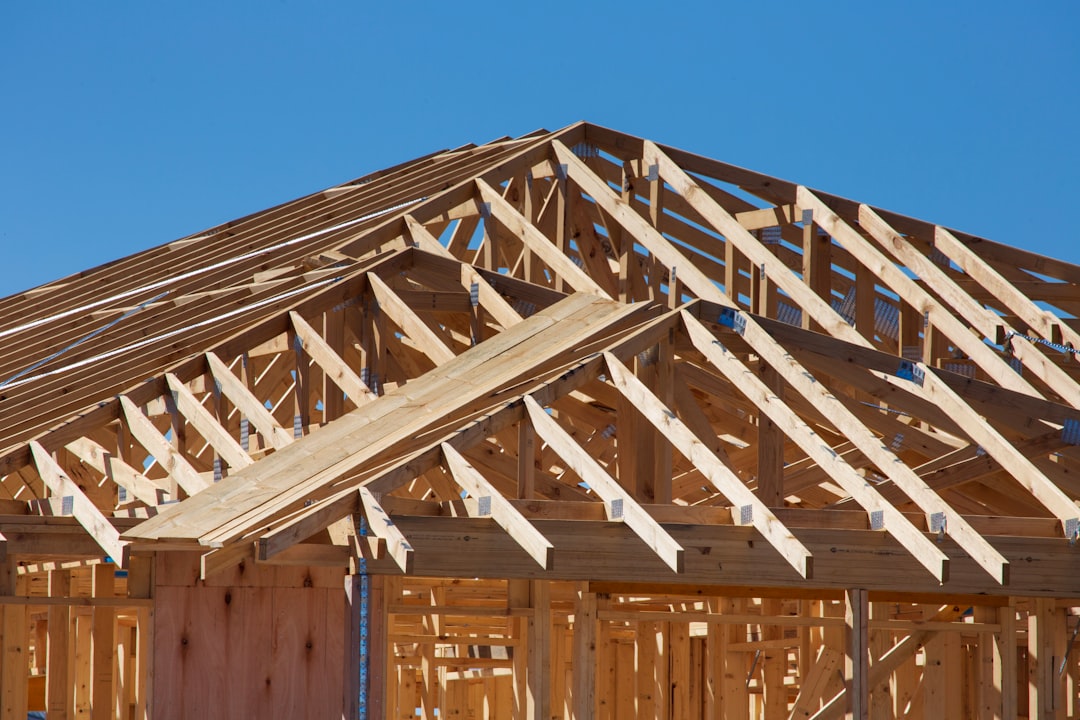
A well-executed lead generation engine can transform a roofing company’s pipeline in months, not years. For roofing businesses, securing consistent, high-quality leads for roofing is the difference between feast-and-famine months and a predictable, scalable sales rhythm. This article explains what counts as a strong roofing lead, how to generate them across channels, and how to turn enquiries into booked meetings and closed contracts — all with practical examples, measurable KPIs and tips that sales managers and business owners can apply straight away.
Why Leads for Roofing Are Different
Roofing is a high-value, infrequently purchased service with a long decision cycle for many customers. Homeowners and property managers rarely replace or repair a roof multiple times, so each lead represents substantial revenue and long-term lifetime value. That raises the bar for lead quality: a cheap, high-volume approach may waste time, while fewer but better-matched leads can dramatically improve conversion rates and ROI.
Because of the purchase complexity — insurance claims, structure surveys, seasonal demand, and planning permissions — lead generation for roofing requires a blend of precise targeting, trust-building content and timely follow-up. The ideal lead isn’t just someone who searched for a quote; it’s someone with intent, budget and the authority to proceed.
Types Of Roofing Leads
Different lead sources supply different levels of intent and quality. Roofing businesses should mix channels to balance volume and cost while prioritising return on investment.
Inbound Leads
-
Organic Search (SEO) — Homeowners searching “roofers near me” or “roof leak repair” often have strong intent. SEO generates evergreen leads but requires local optimisation and trust signals (reviews, case studies, certifications).
-
Paid Search (PPC) — Google Ads and Microsoft Ads capture high-intent queries quickly. Cost per click can be high for competitive terms, so landing pages and conversion funnels must be optimised.
-
Local Listings and Marketplaces — Platforms like Rated People, Checkatrade or local directories supply ready-to-buy leads but charge per lead or subscription fees. The quality varies; managing expectations and filtering is essential.
-
Content and Social — Informative blog posts, how-to videos and local community posts (Nextdoor, Facebook) build trust and generate leads over time. Social ads can amplify reach and target specific neighbourhoods.
Outbound Leads
-
Paid Lead Lists and Cold Outreach — Targeted lists of property owners or landlords enable direct sales outreach. Accuracy matters: outdated data wastes time.
-
Email and LinkedIn Campaigns — Helpful for commercial roofing and maintenance contracts. Multi-touch sequences that include value-driven content outperform pure sales pitches.
-
Telemarketing — Useful when qualification requires a conversation. Sales development reps (SDRs) can book appointments directly, but training and scripts are crucial.
Referral and Partnership Leads
-
Trade Partners — Plumbers, builders and estate agents refer customers undergoing home renovations.
-
Insurance Referrals — Relationships with insurance brokers or loss adjusters can provide high-value post-claim work.
-
Local Community and Word-of-Mouth — Repeat business and recommendations provide the best conversion rates but take time to cultivate.
What Makes a High-Quality Roofing Lead?
Not all enquiries are equal. Roofing businesses benefit from a clear definition of lead quality to prioritise follow-up and allocate sales resources efficiently. High-quality leads for roofing typically share these traits:
-
Clear intent — The prospect reports a roofing problem or requests a quote within a reasonable timeframe.
-
Location fit — The property is within the service area, and travel/time costs are acceptable.
-
Decision authority — The contact can approve the work or influence decision-makers (homeowner, landlord, facilities manager).
-
Budget or funding source — There’s an indication of budget or insurance coverage, or willingness to discuss financing.
-
Timeliness — The project timeline matches the company’s scheduling availability.
Organisations commonly classify leads into MQL (Marketing Qualified Lead) and SQL (Sales Qualified Lead). MQLs show initial interest (e.g., downloaded a roofing guide); SQLs meet qualification criteria and are ready for a sales conversation or onsite survey.
Lead Generation Strategies That Work for Roofing
Below are practical strategies suited to both high-growth startups and established roofing firms. Each method includes a short execution checklist and tips for measuring success.
1. Local SEO and Google Business Profile
Local SEO often supplies the most cost-effective leads. Local SEO focuses on being visible for neighbourhood searches.
-
Optimise the Google Business Profile with accurate services, hours, photos and roofing-specific categories.
-
Encourage recent customer reviews and respond to them — review velocity influences rankings.
-
Create location-specific landing pages (e.g., “Roof Repair in Leeds”) with case studies and clear calls to action.
-
Use schema markup to highlight reviews, service offerings and service areas.
Measure success with enquiries from Google, organic traffic, and conversion rates from those pages.
2. Targeted PPC Campaigns
Paid search fills the pipeline fast when timing matters, such as during storm seasons or after local incidents.
-
Bid on high-intent keywords like “emergency roof repair”, “roof replacement quote”, and long-tail local phrases.
-
Use call extensions and click-to-call from mobile. Roofing customers often prefer a quick phone conversation.
-
Optimise landing pages for conversions — add a promise of next-step clarity (free site survey within 48 hours, for example).
Track cost per lead (CPL), cost per booked survey and conversion-to-contract rate to ensure campaigns are profitable.
3. Paid Lead Marketplaces — Use With Caution
Marketplaces can supply immediate leads but vary in exclusivity and quality.
-
Evaluate marketplaces on lead exclusivity, regional coverage and refund policies for low-quality leads.
-
Set rules in the CRM for routing marketplace leads to quick follow-up to capitalise on intent.
-
Compare CPL versus direct acquisition channels to decide whether marketplaces fit long-term strategy.
4. Content Marketing and Trust-Building
Roofing is trust-driven. Informative content reduces friction and nurtures leads over time.
-
Create guides on spotting roof damage, the claims process, and expected timelines for common repairs.
-
Produce short inspection videos or timelapses of work to showcase craftsmanship.
-
Promote case studies featuring before/after photos, client testimonials and project specifics (materials, warranty).
Measure engagement (time on page, video views) and eventual conversion rates from content-led journeys.
5. Referral Programmes and B2B Partnerships
Develop mutually beneficial referral arrangements with builders, architects, and insurers.
-
Offer straightforward commissions or reciprocal lead sharing with clear tracking.
-
Provide partners with referral kits — quick inspection forms, branded flyers, and a direct booking link.
-
Track partner-sourced pipeline separately to measure long-term value.
6. Proactive Outbound for Commercial Roofing
Commercial leads often come from outbound research and outreach to facilities managers or property portfolios.
-
Use property datasets and local council planning registers to identify buildings with ageing roofs or upcoming refurbishments.
-
Craft outreach that highlights cost-saving maintenance, warranties, and health & safety compliance.
-
Combine LinkedIn research with targeted emails and phone calls, offering a free condition survey.
7. Event-Driven Campaigns (Storms, Seasons, Local Events)
Weather events spike demand. Rapidly activating a campaign after a storm protects market share.
-
Use local PPC and social ads with headlines referencing the event (safely and ethically) and emergency services.
-
Deploy phone teams for immediate triage — safety first; avoid speculative damage assessments.
-
Coordinate with insurance partners to streamline claims-driven work.
Qualifying Leads and Booking Meetings
Speed and relevance matter. Roofing enquiries often require an onsite assessment. The objective of initial contact is to confirm fit and secure a survey appointment.
Qualification Checklist
-
Confirm property address and ownership/authority to approve work.
-
Establish urgency — is this an emergency or a planned upgrade?
-
Ask about insurance involvement or pre-set budgets.
-
Check availability windows for an onsite survey and whether the property requires special access or permits.
Using a consistent script ensures SDRs capture the right information. Below is a simple opener and qualification script that sales teams can adapt.
Hi, this is [Name] from [Company]. Thanks for contacting us about your roof. Can I confirm the address and whether you're the homeowner or authorised to make decisions? Great — how soon would you like someone to come and inspect the roof: today, this week, or later? Lastly, has any insurer been involved or is this an out-of-pocket job?Book the survey during the call. A confirmed appointment reduces no-shows: send an SMS confirmation and a calendar invite immediately.
Follow-Up, Nurturing And Turning Leads Into Contracts
Not all qualified leads sign on the spot. A structured follow-up and nurturing process moves prospects through the funnel.
Immediate Steps After a Survey
-
Send a personalised estimate within 24–48 hours with photos, recommended actions and warranty details.
-
Outline the timeline, payment terms and next steps clearly — uncertainty is a common deal-killer.
-
Offer to coordinate with insurers where relevant; that reduces friction for claim-based jobs.
Automated Nurture Sequences
For leads that aren’t ready immediately, use multi-channel nurturing that combines email, SMS and remarketing ads.
-
Email 1: Recap of the survey and the top benefits of the recommended solution.
-
Email 2 (after 5–7 days): Case study showing similar work and client testimonial.
-
SMS reminder before any expiry on quotes or special offers.
-
Retargeting ads showing a short video of completed work, emphasising warranty and local references.
When to Escalate
If a lead stalls repeatedly, escalate to a senior estimator or area manager to offer a phone consultation. Personal attention often rekindles momentum.
Measuring Success: KPIs And ROI
To manage performance, roofing businesses should track a handful of metrics that connect marketing activity to revenue.
Core KPIs
-
Leads for Roofing (Volume) — Number of enquiries or form submissions per period.
-
Qualified Leads (MQL/SQL) — Leads that meet your qualification criteria.
-
Booked Surveys — Appointments set from qualified leads.
-
Conversion Rate — Percentage of surveys that become paid jobs.
-
Average Job Value — Mean revenue per contract.
-
Cost Per Lead (CPL) — Total marketing spend divided by leads generated.
-
Cost Per Acquisition (CPA) — Spend per closed job. This should be compared against profit margins to ensure campaigns are profitable.
Two useful derived metrics: pipeline coverage (how many leads needed to hit monthly revenue targets) and lead-to-contract velocity (average days from first contact to signed contract).
Common Pitfalls And How To Avoid Them
Even seasoned businesses fall into traps when scaling lead generation. Here are common mistakes and practical remedies.
-
Chasing Volume Over Quality — High-volume lead sources like broad PPC or cheap marketplaces produce many low-intent enquiries. Remedy: implement strict qualification and two-tier CPL bidding to focus budget on higher-intent keywords.
-
Poor Lead Handover — Marketing passes leads to sales without full context, causing poor follow-up. Remedy: use forms that capture key qualifying info and integrate them into the CRM for SDRs to review.
-
Slow Follow-Up — Roofing prospects often call multiple firms. Remedy: aim for contact within 15 minutes for high-intent queries and automate immediate confirmations via SMS.
-
No Tracking of Lead Sources — Without source attribution, it’s impossible to evaluate channels. Remedy: use UTM tags, call tracking numbers, and CRM fields to track origin.
-
Overreliance on Single Channel — Weather or platform changes can collapse that channel. Remedy: diversify channels and invest in owned assets (website, email list).
Technology Stack Recommendations
A pragmatic tech stack helps capture, qualify and convert leads efficiently. Below are suggested categories and examples.
-
CRM — HubSpot, Pipedrive or Salesforce for pipeline tracking and integration with forms.
-
Booking & Calendar — Calendly or a CRM-integrated scheduler for confirmed surveys.
-
Call Tracking — CallRail or similar to attribute phone leads to campaigns.
-
PPC & Analytics — Google Ads, Microsoft Ads and Google Analytics / GA4 for measurement and optimisation.
-
Email Automation — Mailchimp, ActiveCampaign or HubSpot sequences for nurture campaigns.
-
Reputation Management — Tools like Trustpilot or ReviewTrackers to collect and display customer reviews.
How Agencies Like LEAPFLY Help Roofing Firms
For many roofing businesses, lead generation is a distracting overhead that diverts focus from operations and delivery. LEAPFLY bridges that gap by acting as an outsourced demand engine: combining market research, audience profiling and multi-channel campaigns to deliver high-quality leads for roofing and booked meetings directly into a client’s calendar.
LEAPFLY’s approach typically includes:
-
Mapping ideal customer profiles and high-value service areas.
-
Running integrated campaigns (search, social, direct outreach) and optimising for qualified bookings rather than raw enquiries.
-
Implementing lead scoring and CRM workflows to reduce wasted follow-ups and lower cost per acquisition.
-
Delivering regular reporting linked to revenue outcomes so decision-makers see the impact on pipeline and profitability.
By focusing on booked meetings with qualified prospects, roofing businesses can free estimators to do what they do best — inspect and close — instead of chasing leads or sorting low-quality enquiries.
Practical Examples and Scripts
Below are short, practical templates that can be adapted to local tone and brand voice. They aim to convert enquires into surveys and surveys into signed contracts.
Cold Call Opener (Residential)
Good morning — this is [Name] from [Company]. The contact details show you had a roof inspection request. Can I confirm the property address and whether the roof is currently leaking or is this for a planned repair? If it's okay, [Company] can arrange a free 30-minute survey this week — what day suits the homeowner?Confirmation SMS After Booking
Thanks — [Company] will inspect your roof at [time] on [date]. The survey is free and takes ~30 minutes. Please text back if access changes. See you then! — [Name]Email Proposal Follow-Up
Subject: Your Roof Survey & Quote — [Property Address]

Hi [Name],

Thanks for meeting the team on [date]. Attached is the detailed quote and before/after photos from the inspection. Highlights:

• Recommended works: [summary]
• Estimated timeline: [X] days
• Warranty: [X] years
• Insurance assistance: [yes/no]

If this suits, a quick reply will lock in dates. Happy to jump on a call to walk through any questions.

Best,
[Name] — [Company] | [Phone]
Budgeting And Expected Benchmarks
Benchmarks vary by region, season and company reputation, but a few ballpark figures help planning:
-
Average CPL (organic + paid mix): £50–£250 per lead for residential — higher in expensive urban markets.
-
Conversion from survey to contract: 20–50%, depending on sales skill and pricing.
-
Average job value: £1,500–£10,000+ depending on scope (repairs vs full replacement).
These figures are directional. The most robust approach is testing channels with modest budgets, measuring actual CPL and conversion rates, then scaling the channels that deliver the best CPA and ROI.
Scaling Sustainably
Scaling lead generation without eroding service quality requires discipline. As volume grows, roofing firms must ensure operational capacity keeps pace — otherwise reputation and referrals suffer.
-
Forecast capacity: calculate how many surveys and installations each estimator or crew can handle per month.
-
Stagger marketing scale-up with hiring or subcontractor agreements to meet demand.
-
Invest in quality assurance and customer experience processes to keep close rates and reviews high.
Conclusion
Leads for roofing are valuable assets that deserve a methodical, data-driven approach. Rather than chasing volume alone, the most successful roofing businesses target high-intent, well-qualified leads, respond swiftly, and optimise the hand-off between marketing and sales. For teams stretched thin, partnering with a specialist lead generation agency that understands local markets and booked-meeting KPIs — like LEAPFLY — can accelerate growth without adding administrative burden.
With the right mix of local SEO, targeted PPC, content that builds trust, strong partner referrals and a tight follow-up process, roofing companies can convert more enquiries into profitable jobs and create a reliable, scalable sales pipeline. Tracking the right KPIs and investing in tools and people ensures growth is not only fast, but sustainable.
Frequently Asked Questions
What is the best single channel for generating roofing leads?
There isn’t a one-size-fits-all answer. For many local roofing firms, a mix of local SEO and paid search delivers the best balance of volume and intent. However, referral networks and post-storm campaigns can be seasonally powerful. The right channel depends on target customers, budget and local competition.
How quickly should roofing leads be followed up?
Fast — ideally within 15–60 minutes for high-intent enquiries. Quick contact dramatically increases the chance of securing a survey. Use automated confirmations (SMS, email) to reduce no-shows.
Are paid marketplaces worth the investment?
They can be useful for immediate pipeline fill but frequently supply non-exclusive leads at varying quality. Track CPL and conversion rates closely; if marketplace-sourced leads convert at acceptable rates, they can be a component of a diversified strategy.
How should roofing leads be tracked and attributed?
Use UTM parameters for online campaigns, unique call tracking numbers for each channel and CRM lead-source fields to record origin. Accurate attribution enables optimisation of spend and identification of the most profitable channels.
When should a roofing company consider using an agency like LEAPFLY?
If lead generation consumes internal resources, conversion rates are lower than expected, or the business needs to ramp pipeline quickly without hiring a large in-house marketing team, partnering with an agency that delivers qualified leads and booked meetings can save time and drive measurable growth.