
Leads for Cosmetic and Beauty Salons: How to Fill the Diary with High-Quality Clients
Published by Adam Yates
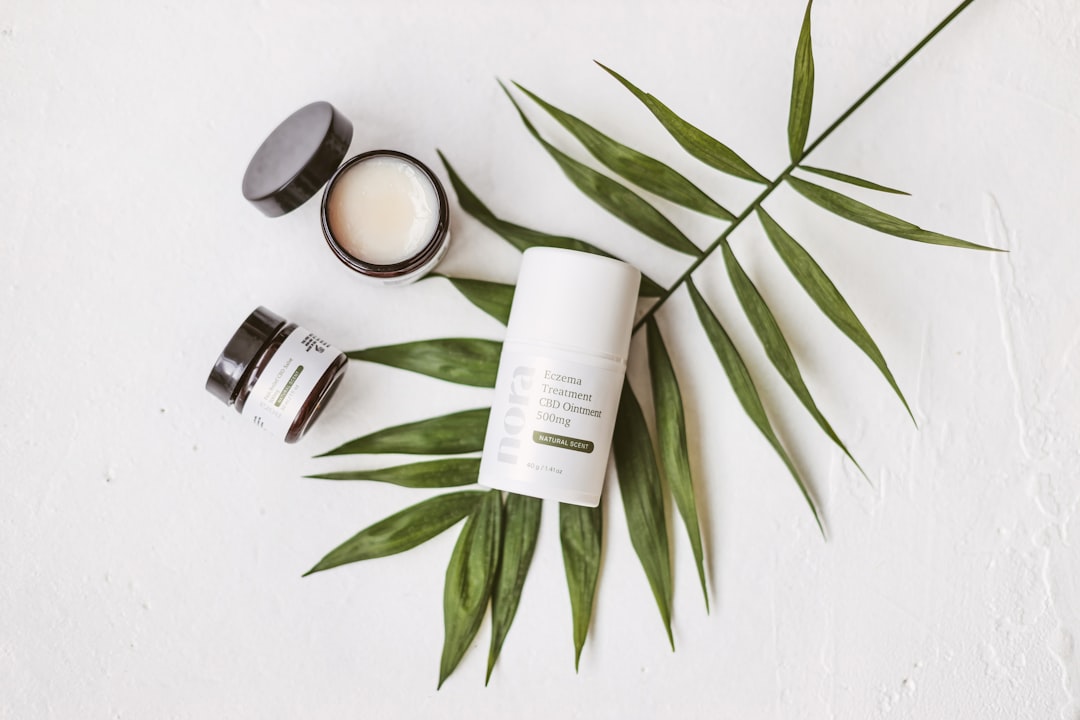
A busy salon with a steady stream of appointments isn’t accidental; it’s the result of deliberate lead generation and conversion. For cosmetic and beauty salons, generating consistent, quality cosmetic leads is the single most important lever for growth — yet many owners and sales teams juggle short-lived promotions, inconsistent channels and manual admin that waste time and dilute results.
This guide explains practical, proven strategies to attract and convert leads for cosmetic and beauty salons across digital and offline channels, and outlines how to measure and scale success.
Why Focusing on Leads for Cosmetic and Beauty Salons Matters
Not all leads are equal. A name and phone number might look like progress, but if the contact never books or cancels, it’s wasted effort. Salons need a pipeline of qualified prospects who are likely to convert and become repeat clients. Prioritising quality over quantity reduces no-shows, increases lifetime value and makes marketing spend far more efficient.
For decision-makers — from sales managers in multi-site groups to owners of single boutiques — a predictable flow of booked appointments translates into predictable revenue, easier staffing, and more confident investment in premium services and products.
Understand the Salon Client Journey
Before designing campaigns, the salon must map the typical client journey. A typical flow looks like this:
-
Discovery: The client finds out about the salon via search, social media, or a recommendation.
-
Consideration: They browse services, prices, and before-and-after photos; they check reviews and opening times.
-
Decision: The client books — often driven by a special offer, availability, or an appointment reminder.
-
Retention: Follow-up, loyalty incentives, rebooking before leaving the salon, and product recommendations.
Every touchpoint along this journey offers opportunities to capture and qualify leads for cosmetic and beauty salons.
Identify and Profile the Ideal Client
Rather than targeting everyone who might be vaguely interested, salons should define specific client personas. Personas might include:
-
Event Client: Clients who book for special occasions — weddings, parties, photoshoots.
-
Routine Client: Regulars who come every 4–8 weeks for maintenance services like haircuts or eyebrow maintenance.
-
Trend-Seeker: Younger audience interested in new treatments, lash lifts, microblading or TikTok trends.
-
Wellness Client: Looking for spa-like experiences, facials and relaxation packages.
For each persona, list preferred channels, typical objections (price, trust, time), booking triggers and lifetime value. This simple exercise helps shape messaging and channel choice — essentials for generating the right leads for cosmetic and beauty salons.
Where High-Quality Salon Leads Come From
Lead sources fall into owned, earned and paid categories. A balanced approach reduces dependency on any single channel.
Organic Search (Local SEO)
Many salon visits begin with a Google search such as “facial near me” or “beauty salon [town name]”. Optimising for local search is non-negotiable. Key actions include:
-
Google Business Profile optimisation: Complete every field, add high-quality photos, post offers and respond to reviews promptly.
-
Local citations: Ensure NAP (name, address, phone) consistency across directories like Yell, Treatwell, and local listings.
-
Service pages: Create dedicated pages for treatments with clear CTAs, pricing ranges, FAQs and before-and-after galleries.
-
Review strategy: Systematically ask satisfied clients for Google and platform-specific reviews; they improve rankings and conversion rates.
Social Media (Instagram, TikTok, Facebook)
Visual platforms are ideal for beauty salons. They show results, build trust, and drive enquiries.
-
Instagram: Use Reels for quick transformations, Stories for live demonstrations and Highlights for service menus and reviews.
-
TikTok: Short, authentic videos of treatments, trends and technicians at work reach trend-seeking audiences quickly.
-
Facebook: Effective for local ads, community engagement and targeting older demographics.
Important: use strong CTAs to book or message, and consider link-in-bio tools that funnel visitors to booking pages or special landing pages.
Paid Advertising (Google Ads & Social Ads)
Paid channels close the gap between discovery and booking. For salons, a mix of search ads and targeted social campaigns usually performs best.
-
Google Search Ads: Target intent-based keywords like “microblading near me”. Use call extensions, location targeting and scheduling to align ads with opening hours.
-
Social Ads: Use lookalike audiences based on top clients, retarget web visitors with special offers, and run dynamic creatives showcasing before-and-after imagery.
-
Budgeting tip: Start small, measure cost-per-booking, then scale the channels that convert at acceptable ROI.
Partnerships and Influencers
Collaborations with local businesses — bridal boutiques, photographers, gyms — can open new referral streams. Micro-influencers with engaged local followings often produce better bookings than macro-influencers, due to higher relevance and trust.
Referrals, Loyalty and VIP Programmes
Well-structured referral programmes turn satisfied clients into proactive advocates. Loyalty schemes — such as points for treatments, pre-paid packages or a VIP membership — reduce churn and increase average transaction value.
Crafting Offers That Convert
A discount alone rarely builds long-term value. Offers should be structured to attract first-time clients while encouraging repeat visits.
-
Introductory Packages: Combine a popular quick service (e.g. eyebrow shaping) with a second paid add-on at a small uplift to encourage trial of higher-margin services.
-
First-Time Client Vouchers: Limited-time vouchers with an expiry motivate bookings and reduce window shopping.
-
Bundle & Upsell: Pre-book a follow-up at a reduced rate, or bundle treatment + product for at-home maintenance.
-
Memberships: Monthly plans with benefits that smooth revenue and encourage habitual bookings.
Designing Landing Pages That Turn Clicks into Bookings
When an ad or profile link brings a potential client to a page, that landing page must be optimised to convert.
-
Clear hero: One-line statement of the service and benefit, plus a single primary CTA (Book Now, Check Availability).
-
Social proof: Reviews, before-and-after photos, and awards or certifications.
-
Service clarity: Short descriptions, expected times, price ranges and what to expect.
-
Fast booking: Integrated calendar with real-time availability; allow appointment booking without forcing an account creation.
-
Mobile-first design: Most users will visit on mobile; forms should be short and easy to complete.
Use scarcity and urgency sparingly and ethically — e.g., “Limited appointments available for this weekend” backed by real availability to build trust.
Booking Systems and CRM Integration
Modern salons use booking platforms such as Fresha, Treatwell, Booksy or integrated systems in their website. Key considerations:
-
Integrate with CRM: Sync bookings and client profiles so marketing, retention and reporting are streamlined.
-
Automated reminders: SMS and email reminders reduce no-shows substantially.
-
Capture consent: Ensure marketing preferences are recorded in the CRM for GDPR compliance.
-
Track source: Tag bookings by campaign/source so marketing ROI can be measured.
Systems that generate booked appointments rather than just leads are especially valuable — they directly impact revenue and staffing planning.
Lead Nurturing: Convert Interest into Appointments
Not every visitor will book immediately. Nurturing shows respect for the client’s decision timeline while keeping the salon top of mind.
Email Sequences
A simple sequence for new leads might look like:
-
Immediate confirmation: Thanks for enquiring, here’s how to book — includes CTA and opening times.
-
48-hour reminder: Highlights benefits, social proof and a limited-time incentive if they book within 72 hours.
-
One-week follow-up: Share a short FAQ or case study to remove objections.
-
Longer-term nurture: Monthly newsletter with trends, promotions and featured technicians.
SMS and WhatsApp
Short SMS messages yield high open rates for appointment reminders and last-minute offers. Use WhatsApp Business for richer interactions and to share photos or availability quickly (with consent and professional boundaries).
Retargeting
Retargeting ads for users who visited a service page but didn’t book can be highly cost-effective. Use testimonials and urgency in these creatives and direct them to an optimised booking page.
Measuring What Matters: KPIs for Salon Lead Generation
Track metrics that connect marketing to revenue:
-
Cost per Lead (CPL): How much each enquiry costs.
-
Cost per Booking: More meaningful; ties to revenue.
-
Conversion Rate: Percentage of leads that book.
-
No-show Rate: Affects effective revenue.
-
Client Lifetime Value (CLV): Average revenue per client across their lifespan.
-
Return on Ad Spend (ROAS): For paid campaigns.
-
Average Booking Frequency: Helps forecast revenue and staffing.
Always track source-by-source. If Instagram drives many enquiries but few bookings, re-evaluate the messaging and landing experience for that channel.
Compliance, Consent and Privacy
Salons in the UK must respect GDPR. Practical steps:
-
Record explicit consent for marketing communications and store timestamps.
-
Provide easy unsubscribe options in every email or SMS.
-
Keep client data secure and limit access to staff who need it.
-
Be transparent about data usage on booking forms and privacy pages.
Common Mistakes to Avoid
-
Chasing vanity metrics: Likes and followers don’t equal bookings.
-
Over-discounting: Reduces perceived value and can attract one-time bargain hunters.
-
Poor tracking: If the salon can’t track leads by source, it can’t optimise spend.
-
Too many CTAs: Confusion kills conversions. One primary goal per campaign.
-
Ignoring retention: Focusing solely on acquisition overlooks the easier revenue opportunity of repeat clients.
How Multi-Channel Campaigns Drive Better Leads
Combining organic, paid and partnership channels creates compounding effects. For example:
-
Run a geo-targeted Google Ads campaign for “lash lift near me”.
-
Retarget visitors with Instagram Reels showcasing before-and-after results.
-
Follow up with an SMS offering a first-time voucher and a direct booking link.
This joined-up approach increases the probability that a high-intent prospect will book quickly and with confidence.
Practical Examples and Scripts
Real, usable language speeds up implementation. Here are snippets salons can use in SMS, email and social ads.
SMS Reminder (24 hours before appointment)
“Hi Emma — this is Luxe Beauty confirming your brow lamination tomorrow at 11:00. If you need to reschedule call 020 7XX XXXX. Reply Y to confirm.”
Facebook Ad Headline
“Bespoke Facial for Glowing Skin — First-Time Clients 20% Off”
Body: “See why hundreds in [Town Name] trust Luxe Beauty. Quick 60-minute treatment, same-day appointments available. Book now.”
Email Follow-Up After Enquiry (48 hours)
Subject: “Still thinking about your [treatment]? Here’s an exclusive offer”
Body: “Hi [Name], thanks for enquiring about [treatment]. Our specialist, [Technician Name], has a couple of slots this week. Book within 72 hours and enjoy 15% off your first visit. Click here to book — it takes under 60 seconds.”
Budgeting: Sample Monthly Plan for a Single-Site Salon
Allocation depends on goals and lifetime values, but a starter split might be:
-
20% Local SEO & Content: Optimising Google Business Profile, producing before-and-after gallery updates.
-
35% Paid Search (Google Ads): High-intent booking keywords.
-
25% Social Ads & Content Production: Reels, retargeting and small influencer partnerships.
-
10% Tools & Booking System Fees: CRM, SMS platform, booking software.
-
10% Offline/Community: Partnerships, local events or bridal showcases.
Adjust as data comes in. Move budget towards channels with the best cost-per-booking and highest CLV.
How an Outsourced Approach Can Help: The LEAPFLY Example
For salons seeking to scale quickly or remove the operational burden from in-house teams, an outsourced demand engine can be effective. LEAPFLY specialises in delivering high-quality, relevant leads and booked meetings by combining market research, audience profiling and multi-channel campaigns.
LEAPFLY’s typical approach for beauty salons includes:
-
Audience profiling: Identifying the salon’s highest-value client segments and where they live online.
-
Campaign design: Creating tailored campaigns across search, social and local platforms to capture intent and interest.
-
Booked meetings: Delivering fully booked appointments and handing off lead data or integrating directly with the salon’s booking system and CRM.
-
Measurement and optimisation: Tracking cost-per-booking, conversion rates and moving spend to the most productive channels.
This outsourced model removes the trial-and-error burden, letting salons focus on client experience and service delivery while filling the diary with pre-qualified clients.
A Practical 30/60/90 Day Plan
For salons ready to act, here’s an executable plan.
Days 1–30: Foundations
-
Audit Google Business Profile, website and booking flow.
-
Define 2–3 client personas and map messaging.
-
Set up conversion tracking and tag booking sources in CRM.
-
Launch a small Google Ads campaign targeting high-intent keywords and a social retargeting audience.
Days 31–60: Scale and Test
-
Introduce a micro-influencer or local partnership campaign.
-
Start a referral programme with tracked codes or links.
-
Run A/B tests on landing pages and SMS reminders to reduce no-shows.
-
Adjust budgets towards channels with the best cost-per-booking.
Days 61–90: Optimise and Retain
-
Refine nurture sequences and loyalty offers to increase retention.
-
Expand successful ad creatives and local search terms.
-
Review CLV and adjust membership tiers or package pricing.
-
Document standard operating procedures for lead handling and follow-up.
Scaling to Multiple Sites
Multi-site groups need centralised tracking, standardised messaging and local customisation. LEAPFLY and similar agencies help by creating scalable campaigns with geo-targeted creatives, central reporting dashboards and playbooks for local managers to execute promotions consistently.
Conclusion
Generating reliable leads for cosmetic and beauty salons requires a blend of purposeful strategy and disciplined execution. Local search, visual social platforms, well-targeted paid campaigns and strong booking processes form the backbone. The goal is not merely to attract interest but to convert visitors into booked, repeat clients who value the salon and recommend it to others.
For salons seeking faster results or lacking in-house marketing resources, partnering with a specialist lead generation provider that understands audience profiling, multi-channel campaigns and booked-meeting delivery — such as LEAPFLY — can accelerate growth and reduce the operational workload. However the salon chooses to act, consistent measurement, strong client experiences and careful nurturing will turn leads into a full, profitable diary.
Frequently Asked Questions
How much should a salon expect to pay per lead or booking?
Costs vary by location, service and channel. Cost-per-lead (CPL) might range widely — what matters more is cost per booking and return on ad spend. Track bookings and CLV to determine what is an acceptable acquisition cost for each treatment.
Which social platform drives the best leads for beauty salons?
Instagram and TikTok are most effective for visual services and younger audiences. Facebook performs well for local targeting and older demographics. The best approach is channel-mix testing and focusing on the platform that delivers bookings at scale and at an acceptable cost.
Are third-party platforms like Treatwell worth using?
Marketplaces bring visibility and new customers quickly, but they take commissions and may reduce direct client relationships. They work best as part of a broader strategy, especially for filling gaps in off-peak times while building direct booking channels for higher-margin control.
How can salons reduce no-shows?
Use automated SMS and email reminders, require small deposits for high-value appointments, and allow easy rescheduling through an integrated booking system. Clear cancellation policies communicated at booking also help.
What should salons prioritise first if they have a small marketing budget?
Start with local SEO (Google Business Profile), a strong booking experience and basic retargeting. Even small budgets go further when campaigns are focused on high-intent keywords and clear booking pathways.