
Choosing the Right Inbound Marketing Agency UK: A Practical Guide for Growth Teams
Published by Adam Yates
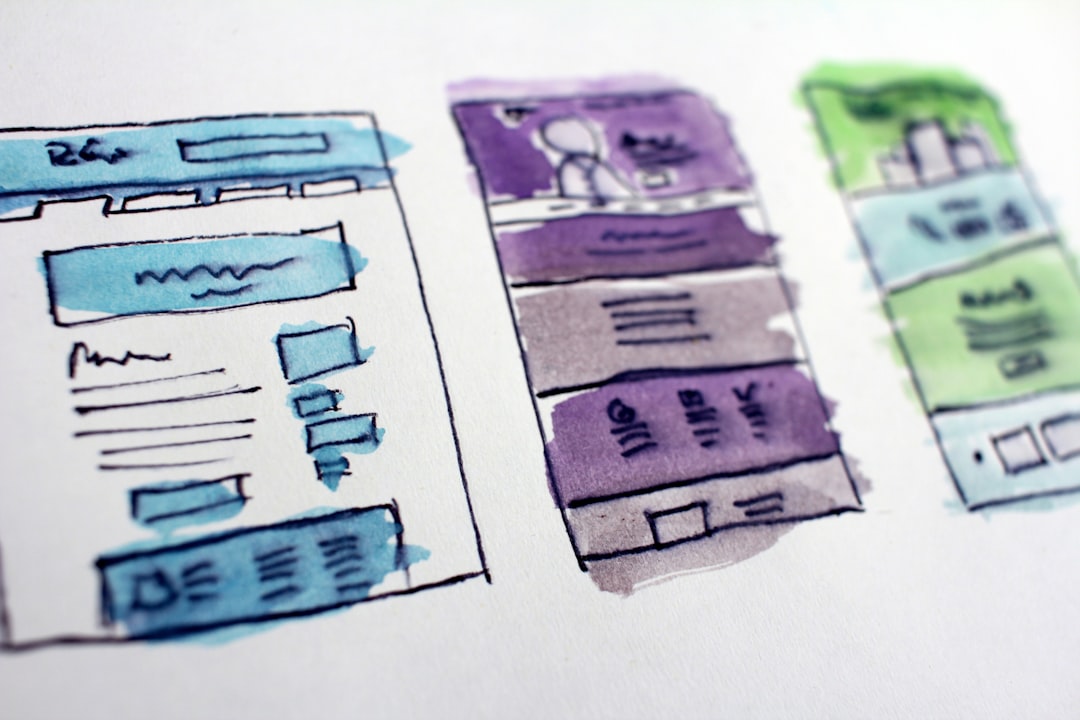
An inbound marketing agency UK specialises in turning curious visitors into qualified leads by combining strategic content, SEO, and marketing automation. For high-growth startups and established enterprises aiming to scale their sales pipeline, choosing the right partner can be the difference between sporadic wins and a predictable, repeatable demand engine.
Why B2B Companies Turn to an Inbound Marketing Agency
Sales teams often spend hours hunting for prospects, chasing cold leads or repeating outreach that barely moves the needle. An inbound marketing agency focuses on attracting prospects organically, nurturing them with value, and handing over warm, sales-ready leads. That’s especially important for B2B organisations where purchase cycles are longer and decisions require multiple touchpoints.
Working with an inbound marketing agency UK offers several strategic advantages:
-
Predictable pipeline growth: A consistent content and SEO strategy creates a steady flow of prospects into the funnel.
-
Higher lead quality: Inbound attracts people searching for solutions, increasing intent and conversion potential.
-
Reduced cold outreach burden: Sales teams spend less time on manual prospecting and more on closing deals.
-
Measurable ROI: With the right metrics and tracking, inbound activities link directly to pipeline and revenue.
-
Scalable processes: Content, automation and data-driven optimisation scale more cleanly than ad spend alone.
Core Services Offered by an Inbound Marketing Agency
Inbound agencies blend creative and technical skills. The following services commonly appear in a comprehensive offering:
-
Content Strategy and Creation — long-form articles, ebooks, whitepapers, case studies and video that answer customer questions and demonstrate expertise.
-
Search Engine Optimisation (SEO) — keyword research, on-page optimisation, technical audits and link-building to improve organic visibility.
-
Marketing Automation and Lead Nurturing — workflows, email sequences and lead scoring to move prospects through the funnel efficiently.
-
Paid Search & Social (Supportive) — targeted campaigns that amplify high-performing content or accelerate demand at specific funnel stages.
-
Conversion Rate Optimisation (CRO) — A/B testing, landing page design and UX improvements to increase conversion rates.
-
Analytics and Reporting — setting up dashboards, tracking KPIs and iterative optimisation based on data.
-
Sales Enablement — handover processes, lead qualification criteria, and materials that help sales close deals faster.
When Should a Business Hire an Inbound Marketing Agency?
Hiring an inbound marketing agency UK is not just for businesses with no in-house marketing. The best time to engage a specialist partner tends to be when one or more of these situations apply:
-
Sales pipeline is inconsistent: Revenue is volatile because lead generation is unpredictable.
-
In-house team lacks specific expertise: The team needs strong content strategy, SEO or automation skills to move forward.
-
Administrative drag on sales: Sales reps are spending excessive time on prospecting and meeting scheduling.
-
Need to scale quickly: Growth targets require a focused demand engine rather than ad hoc tactics.
-
Want measurable marketing investment: The business demands clearer attribution between marketing activities and closed revenue.
How to Evaluate an Inbound Marketing Agency UK
Not all agencies are equal. A structured approach to evaluation helps identify partners that can actually deliver growth rather than just nice-looking reports:
1. Evidence of Results (Case Studies and Metrics)
Look for case studies that include real numbers: lead volume, conversion rates, cost per lead and pipeline or revenue impact. B2B results—especially within relevant verticals—are far more indicative than generic marketing awards.
2. End-to-End Process Clarity
The agency should explain how they move a prospect from first awareness to a booked meeting. That includes content creation, SEO, paid amplification (if used), automation, and sales handover. Ask for a sample campaign blueprint.
3. Data and Tracking Competence
They ought to be fluent in marketing analytics platforms, CRM integration and tracking best practices. Without reliable attribution, it’s difficult to optimise campaigns and demonstrate ROI.
4. Alignment with Sales
An inbound agency must work closely with the sales team. Look for agencies that define lead qualification criteria, produce sales-ready collateral, and agree SLAs for lead follow-up.
5. Industry Experience and Audience Insight
Knowledge of the target audience shortens ramp-up time. Agencies that conduct audience profiling and market research will produce more targeted content and higher-quality leads faster.
6. Transparent Pricing and Deliverables
Understand what is included—content volume, campaign management hours, paid media spend, technology costs—and what sits outside the retainer.
What Makes a UK Agency Different?
Working with an inbound marketing agency UK offers a few regional advantages:
-
Local market knowledge: Familiarity with UK buying cycles, compliance issues (such as GDPR), and business culture can be critical for B2B outreach.
-
Time-zone alignment: Easier coordination with UK-based sales teams improves collaboration and speed of iteration.
-
Relevant networks: UK agencies often have local media relationships and partnerships that can accelerate reach.
Common Models and Pricing Structures
Inbound agencies typically price their services using one of several models. Understanding each helps businesses choose a structure that matches their risk tolerance and goals.
1. Monthly Retainer
The most common model for ongoing inbound work. The retainer covers a set scope—content production, SEO, campaign management—and scales according to output. This model suits businesses seeking steady pipeline growth and predictable agency involvement.
2. Project-Based
Best for one-off initiatives like a website overhaul, an SEO audit and migration, or launching a new product. Project pricing has clear deliverables and end dates.
3. Performance-Based
Some agencies tie fees to outcomes—leads generated, meetings booked or revenue influenced. These hybrid models can align incentives but require strict definitions of quality and tracking mechanisms.
4. Dedicated Resource / Outsourced Team
For businesses that want to embed marketing capability, agencies may offer dedicated specialists (content lead, SEO expert, campaign manager) who act as an extension of the in-house team.
How an Inbound Campaign Typically Unfolds
Understanding the sequence of an inbound campaign clarifies where value is created and how long results take to appear:
-
Discovery & Audience Profiling: Research buyer personas, pain points and customer journeys. B2B profiling often includes role-based needs and account-level triggers.
-
Strategy & Channel Mix: Define content pillars, SEO priorities, and where to distribute content—organic search, LinkedIn, email and syndication.
-
Content Production: Create cornerstone assets (guides, whitepapers), supporting blog posts, and conversion-focused landing pages.
-
Technical Setup: Implement tracking, CRM integration, marketing automation workflows and lead scoring criteria.
-
Launch & Promotion: Publish content, run supporting paid campaigns if needed, and promote through owned channels.
-
Nurture & Qualify: Automated sequences guide leads toward sales-readiness, while lead scoring flags high-intent accounts.
-
Handover & Optimise: Handover qualified leads to sales, collect feedback, iterate on content and targeting based on performance.
KPIs That Truly Matter for B2B Inbound
To avoid vanity metrics, inbound agencies focus on KPIs that correlate with pipeline and revenue. These include:
-
Organic Traffic from Target Keywords — traffic that aligns with buyer intent.
-
Marketing Qualified Leads (MQLs) — leads that meet agreed criteria for handover.
-
Conversion Rate to Sales-Qualified Lead (SQL) — measures lead quality.
-
Meetings Booked/Opportunities Created — direct pipeline indicators.
-
Cost per Lead and Cost per Opportunity — useful for benchmarking against paid channels.
-
Time to First Booking — speed at which campaigns start delivering meetings.
-
Pipeline Influence and Revenue Contribution — long-term attribution for strategic planning.
How Inbound Integrates With Sales: Practical Handover Tips
Alignment between marketing and sales is often the make-or-break factor for inbound success. Effective agencies build robust handover mechanics:
-
Shared Definitions: Agree on what counts as an MQL and an SQL. Document these in an SLA.
-
Lead Enrichment: Provide sales with context—favourite content, pages visited, company info—so outreach is personalised.
-
Automated Bookings: Use calendar tools and meeting links in emails to reduce friction and speed up scheduling.
-
Closed-Loop Reporting: Feedback from sales about lead quality should inform content and targeting adjustments.
-
Playbooks and Templates: Equip sales with email templates, call scripts and battlecards based on the campaign narrative.
Common Pitfalls to Watch For
Even experienced teams fall into traps. Awareness helps avoid costly mistakes:
Overemphasis on Volume Over Quality
Generating lots of leads that never convert can create wasted effort and muddy analytics. Prioritise intent-driven content and stricter qualification to ensure the pipeline is healthy.
Poor Tracking and Attribution
Without clear tracking, it’s impossible to know which content or channels are driving pipeline. Implement UTMs, CRM source fields and multi-touch attribution where feasible.
Slow Sales Follow-Up
High-intent leads cool rapidly. Ensure lead routing and follow-up SLAs are tight—ideally within hours, not days.
Neglecting Technical SEO and Site Health
Great content needs a healthy website to perform. Slow pages, crawl errors or poor mobile UX undermine inbound efforts.
Ignoring the Long Game
Inbound compound interest means consistent effort pays off over months. Agencies should set realistic timeframes and milestones—quick wins followed by momentum-building activities.
What a Specialist Lead Generation Agency Brings — The LEAPFLY Example
LEAPFLY is a UK-based lead generation agency that illustrates how an inbound-first approach can be tailored for sales-driven organisations. Rather than treating content as an end in itself, LEAPFLY combines market research, audience profiling and multi-channel campaigns to connect companies with their ideal clients.
Key aspects of LEAPFLY’s approach that reflect strong inbound practice include:
-
Market Research Before Tactics: Spending time on ICPs (ideal customer profiles) and buying signals prevents wasted outreach and produces more relevant content.
-
Multi-Channel Cadence: Combining organic content with targeted outreach and paid amplification where necessary creates multiple touchpoints for prospects.
-
Focus on Booked Meetings: Instead of measuring success by clicks or downloads, LEAPFLY prioritises booked meetings and pipeline growth—metrics that sales teams value.
-
Outsourced Demand Engine: Acting as an extension of the sales function, the agency manages campaign execution and prospecting, freeing internal teams to focus on closing.
For companies seeking a partner that blends inbound content strategy with direct lead generation, a firm like LEAPFLY demonstrates how to align marketing outputs with tangible sales outcomes.
Real-World Examples and Use Cases
Here are three simplified scenarios that show how an inbound marketing agency UK can create impact across different stages of growth.
Startup Seeking First Scalable Pipeline
A SaaS startup with an engineering-heavy team lacks marketing capacity and relies on founders to generate sales. An inbound agency conducts ICP workshops, produces targeted content addressing early adopters’ pain points, and sets up automated demo-booking flows. Within six months, organic search and gated content produce a repeatable flow of demo bookings, allowing the startup to hire a salesperson focused on closing.
Scale-Up Needing Better Sales Efficiency
A scale-up has high lead volume from events but a poor conversion rate. The agency audits the buyer journey, introduces account-based content, builds playbooks for sales and implements lead scoring. The result: fewer, higher-quality leads and a 25% increase in opportunity-to-close rate.
Enterprise Improving ROI from Marketing Spend
An enterprise invests heavily in top-of-funnel advertising with unclear attribution. The inbound agency shifts the strategy toward content-led campaigns, improves on-site conversion paths and integrates marketing data with CRM. Over 12 months, cost per opportunity drops and marketing-influenced revenue rises.
How Long Before Results Appear?
Inbound is rarely instantaneous. Timelines depend on goals and channel mix:
-
Quick wins (1–3 months): Paid campaigns, improved landing pages, and email automation can start producing meetings quickly.
-
Mid-term gains (3–6 months): SEO-driven organic traffic grows, pillar content starts ranking, and lead volumes increase.
-
Long-term payoff (6–12+ months): Brand authority, compounding organic traffic and mature nurture streams produce sustained pipeline growth.
Agencies should set realistic milestones and present a roadmap that blends early revenue-focused tactics with long-term, scalable investments.
Questions to Ask Prospective Agencies
Shortlist through a combination of capability checks and cultural fit. Useful questions include:
-
Can you share specific B2B case studies with measurable outcomes?
-
How do you define and score an MQL for our market?
-
Which tools and platforms do you typically use for automation and tracking?
-
How do you collaborate with sales and what SLAs do you propose?
-
What resources will be required from the internal team during onboarding and ongoing work?
-
How do you measure long-term impact on pipeline and revenue?
Integrating Inbound with Broader Demand Generation
Inbound should not operate in a vacuum. The most effective demand strategies blend organic inbound with outbound, partnerships and performance marketing. Integration points might include:
-
Account-Based Marketing (ABM): Use inbound content to warm target accounts, then overlay personalised outreach and ads.
-
Events and Webinars: Amplify event content with pre- and post-event nurture streams to convert interest into meetings.
-
Channel Partnerships: Co-create content with partners to reach overlapping audiences and generate referrals.
When integrated thoughtfully, inbound is the engine that provides sustainable, lower-cost leads, while other channels accelerate specific funnel stages. For teams that need both approaches, consider how inbound and outbound work together to maximise reach and conversion.
Choosing the Right Contract Length and Expectations
Because inbound compounds, shorter contract terms can hamper progress. Typical recommendations are:
-
6 months minimum for tactical work and early testing.
-
12 months preferred for meaningful SEO gains and compounding content effects.
Clear milestones should be defined for both short-term wins and long-term growth so stakeholders can track progress and make informed decisions at renewal.
Conclusion
For UK-based B2B growth teams, an inbound marketing agency UK can transform how leads are generated and handed to sales. The best agencies combine strategic research, high-quality content, technical SEO and strong sales alignment to produce measurable pipeline growth. Businesses should prioritise agencies that demonstrate real outcomes, provide transparent processes, and integrate closely with sales.
LEAPFLY exemplifies an approach that pairs inbound sensibilities with direct lead generation—market research, audience profiling and multi-channel campaigns focused on booked meetings. For companies looking to reduce the administrative burden on sales and establish a consistent, scalable lead engine, partnering with an experienced inbound agency that understands both marketing and sales priorities can be a decisive step toward sustained growth.
Frequently Asked Questions
What is the difference between inbound and outbound marketing?
Inbound attracts prospects with helpful content, organic search and automation, while outbound uses direct outreach—cold email, calling and paid ads—to push messages to target accounts. Both have a place in B2B demand strategies; inbound tends to be more cost-efficient over time and builds lasting authority.
How much should a company budget for inbound marketing in the UK?
Budgets vary considerably by size and ambition. Small companies might start with a modest monthly retainer and content budget; scale-ups and enterprises should plan for larger retainers plus invest in content, tools and occasional paid amplification. A sensible approach is to align marketing spend with growth targets and expected cost per opportunity benchmarks.
Can an inbound agency help with sales process improvements?
Yes. Top inbound agencies focus on sales enablement—defining MQLs, setting up lead routing, creating playbooks and providing contextual lead intelligence so sales can engage effectively and close more deals.
How quickly will SEO start generating leads?
SEO timelines depend on competition, site health and content volume. Some improvements (technical fixes, on-page optimisation) can affect performance within weeks, but meaningful organic growth and high-intent leads typically appear over several months.
Is it better to hire an agency or build an in-house inbound team?
Both options have merit. Agencies bring speed, specialist skills and established processes; in-house teams offer long-term control and domain knowledge. Many companies combine both—engaging an agency for setup and acceleration, then gradually internalising operations as capacity grows.