
Kitchen Renovation Leads: How to Generate, Qualify and Convert High-Value Prospects
Published by Adam Yates
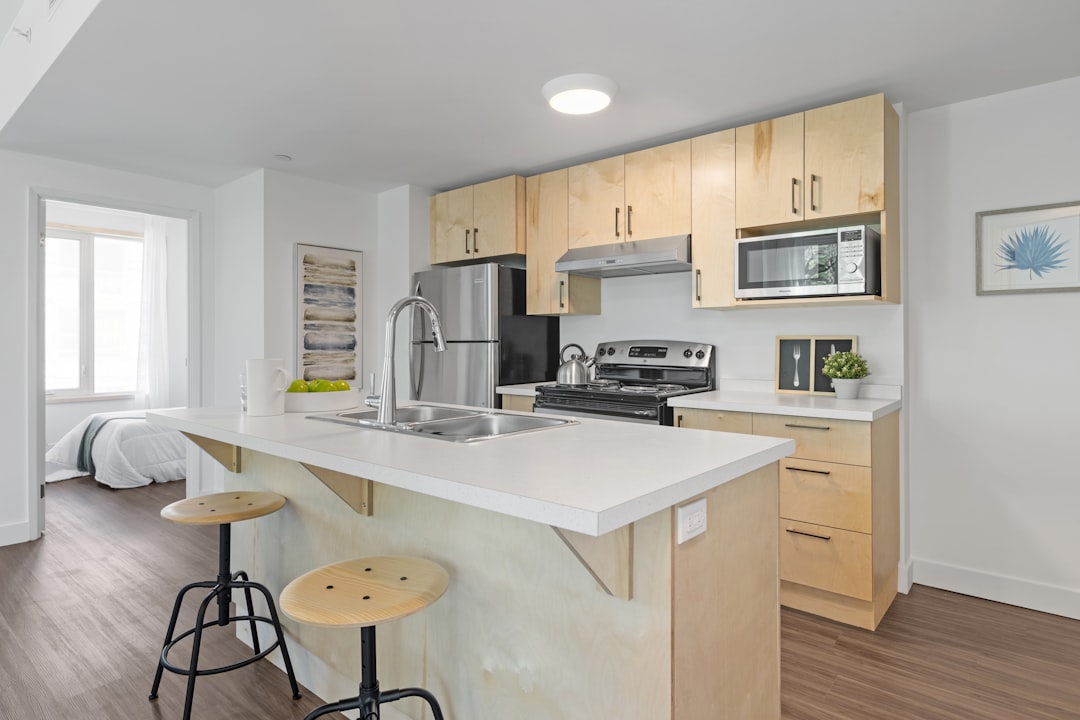
High-intent, local searches for Kitchen renovation leads can turn into booked appointments within days — when businesses target the right channels, craft persuasive offers and follow up with a fast, well-designed sales process. This article guides kitchen retailers, installers and contractors through every step of building a predictable, scalable pipeline: where to find leads, how to qualify them, which channels work best, and how to measure return on investment.
Why Kitchen Renovation Leads Are Different (And Valuable)
Kitchen renovations are rarely impulse purchases. They’re high-value projects, with long decision cycles, emotional elements and significant financial investment. That combination creates two advantages for businesses that capture kitchen renovation leads effectively:
-
High average order value: Kitchens often generate thousands to tens of thousands in revenue, so even a small conversion rate can justify robust marketing spend.
-
Strong purchase intent: Many searches and enquiries indicate a real intention to renovate within a defined time window — perfect for targeted campaigns.
Because the buying process tends to be consultative, the most valuable leads are those that book a design or on-site survey. Converting these prospects is more about trust, timing and service than aggressive price-cutting.
Understand the Kitchen Renovation Customer Journey
Mapping the buyer journey helps businesses deliver the right message at the right time. Typical stages include:
-
Inspiration/Discovery: Browsing style ideas on Pinterest, Instagram or Houzz; searching “small kitchen ideas” or “handleless kitchen designs”.
-
Research/Comparison: Comparing suppliers, reading reviews, watching before-and-after videos, checking showrooms.
-
Consideration/Design: Requesting a quote, booking a design consultation, discussing budgets and timelines.
-
Decision/Booking: Signing the contract, arranging installation and finance.
-
Aftercare/Referral: Installation follow-up, reviews and referrals.
Marketing activities must align with each stage: inspirational content for discovery, detailed case studies for research, and clear calls to action (CTAs) to schedule consultations during consideration.
Where to Find Kitchen Renovation Leads: Channels That Work
Not all channels are equal. Some deliver high volume but low intent; others bring fewer leads but those leads are warmer and closer to purchase.
Search (SEO and Local SEO)
Organic search is critical for kitchen businesses. Target both commercial keywords (e.g., “kitchen installers near me”, “custom kitchen quote”) and inspiration queries (e.g., “modern shaker kitchen ideas”). Local SEO optimises for the “near me” searches that often convert faster.
-
Optimise Google Business Profile with photos, services, and accurate opening hours.
-
Use service-area pages and schema markup like
LocalBusinessandServiceto help search engines understand offerings. -
Collect and respond to reviews — they influence local rankings and conversions.
Paid Search (Google Ads & Local Services Ads)
Paid search captures high-intent queries at scale. Two approaches stand out:
-
Search Ads: Target keywords such as “kitchen renovation cost” or “kitchen fitter [city]”. Use ad extensions (call, location, sitelinks) to increase CTR.
-
Google Local Services Ads (LSAs): LSAs show at the top of local results and are great for trades, offering leads on a pay-per-lead basis rather than pay-per-click. They also build trust with the Google-backed “Google Guaranteed” badge.
Social Media (Facebook, Instagram, Pinterest)
Kitchen renovation is highly visual. Instagram and Pinterest are exceptional for inspiration-led traffic; Facebook is strong for targeted local campaigns.
-
Use carousel ads and video walkthroughs to showcase installs.
-
Create Lead Ads on Facebook to reduce friction — pre-filled forms help convert mobile users.
-
Pin high-quality before-and-after images and link to project pages or downloadable guides.
Marketplaces and Review Sites
Sites like Houzz, Rated People, Bark and Checkatrade connect homeowners with tradespeople actively seeking quotes. A managed presence on these platforms drives qualified enquiries and often shortens the sales cycle.
Referrals, Partnerships and Showrooms
Local partnerships with interior designers, property developers, estate agents and appliance suppliers can be a steady source of kitchen renovation leads. A well-placed referral programme or cross-promotion in a showroom creates high-trust introductions.
Video and Content Platforms (YouTube, Blogs)
How-to videos, case study walkthroughs and budget breakdowns attract people in the research phase. Video content is great for demonstrating craftsmanship and managing expectations about scope and cost.
Offline Channels
Don’t discount offline approaches. Local radio, partnerships with kitchen supplier brands, direct mail targeted to neighbourhoods with older housing stock, and participating in home shows can generate serious interest.
Crafting Offers and Messaging That Convert Kitchen Renovation Leads
Because kitchen projects are emotional and complex, messaging should reduce friction and build trust. Typical converting offers include:
-
Free design consultation: In-person or virtual, emphasising tailored solutions.
-
Free 3D mock-up or mood board: Visuals help overcome doubts.
-
No-obligation quotes and transparent pricing guides: Helps qualify serious buyers.
-
Interest-free finance or staged payment plans: Removes budget barriers.
-
Limited-time incentives: Free appliances or installation discounts for signed contracts in a timeframe.
Keep messaging centred on outcomes: “More storage without losing space”, “Family-friendly kitchens that last”, or “Install in four weeks — minimal disruption.” Clear benefit-driven headlines outperform technical specs on first contact.
Landing Pages and Conversion Optimisation for Kitchen Renovation Leads
A high-converting landing page is the backbone of paid campaigns and many organic funnels. Elements to include:
-
Hero section: High-quality image or video, a concise benefit-led headline and clear CTA.
-
Trust signals: Reviews, badges, trade memberships, before-and-after photos, and case studies.
-
Lead form: Short and focused. Use multi-step forms if more qualification is needed without scaring prospects away.
-
Booking option: Live calendar integration for immediate appointment scheduling increases conversion rates substantially.
-
Social proof and process: Explain the steps from consultation to installation so prospects know what to expect.
-
Clear contact channels: Phone, WhatsApp, chat and email options for different user preferences.
Test variations: try different hero images (family kitchen vs sleek modern), CTA text (“Book a free survey” vs “Get price estimate”), and form fields. Even small lifts in form conversion compound across campaigns.
Qualifying and Scoring Kitchen Renovation Leads
Not all leads are equal. A qualification framework helps sales teams prioritise and convert efficiently.
Essential qualification questions (on form or during first contact)
-
What’s the approximate budget range?
-
What’s the desired start date?
-
Are they the homeowner and decision-maker?
-
Is this a full refit, partial refit or cabinet-only project?
-
Do they already have plans or want design help?
Use a simple scoring model: budget and start date are strong indicators. A lead with sufficient budget and a start date within three months is a high-priority sales lead.
Lead stages and handover rules
-
MQL (Marketing Qualified Lead): Completed form, expressed clear interest, but requires sales contact.
-
SQL (Sales Qualified Lead): Passed initial qualification, homeowner confirmed, booked design or survey.
-
Booked Appointment: Confirmed date/time for site visit or virtual meeting.
Define SLA (Service Level Agreement) for lead handover. For example: “Marketing notifies sales within 10 minutes of a lead submission; sales must attempt contact three times within 24 hours.” Fast follow-up dramatically improves conversion.
Sales Scripts, Objection Handling and Booking Techniques
When leads are high-value, the human touch wins. Provide salespeople with scripts that sound natural and solve concerns.
Call opening script (first contact)
“Hello, this is [Name] from [Company]. Thanks for requesting a free kitchen design. Did we catch you at a good time? Great — just to make sure we’re prepared for your visit, could I ask a couple of quick questions about your space and timeline?”
That opening is warm, permission-based and positions the call as helpful rather than salesy.
Common objections and responses
-
“I’m not ready to commit yet.” — “That’s absolutely fine; the consultation is risk-free and helps clarify options and costs so you can decide when you’re ready.”
-
“It’s too expensive.” — “Budget’s important. Can you share a range? Even with a modest budget, there are smart design choices that maximise value.”
-
“I need to think about it.” — “Understandable. When is a good time for a follow-up? I can also send a short summary of options and pricing to help with the decision.”
Always seek to book a face-to-face or virtual design appointment; this converts much better than endless phone calls.
Lead Nurturing and Remarketing: Turning ‘Maybe’ Into ‘Yes’
Not every lead is ready to buy immediately. A structured nurturing programme keeps the brand top-of-mind until they’re ready.
-
Automated email series: Welcome email with design planner, then success stories, FAQs and financing options over 4–8 weeks.
-
SMS reminders: Confirmations and nudges for scheduled appointments.
-
Retargeting ads: Ads showing completed projects, special offers or limited-time incentives.
-
Lead warming content: Budget calculators, 3D tour videos and downloadable checklists.
Segment nurturing by intent — high-intent leads receive quicker, more direct outreach while early-stage contacts get inspiration and education.
Measuring Performance: KPIs and ROI for Kitchen Renovation Leads
Define clear KPIs before launching campaigns. Key metrics include:
-
Cost Per Lead (CPL): Total marketing spend ÷ number of leads. Benchmarks vary by channel.
-
Lead-to-Appointment Rate: Percentage of leads that book design or survey appointments.
-
Appointment-to-Contract Rate: Percentage of appointments that convert to paid jobs.
-
Customer Acquisition Cost (CAC): Total spend to acquire a customer (marketing + sales expenses).
-
Customer Lifetime Value (CLTV): Average revenue from a customer across repeat business or referrals.
-
Return On Ad Spend (ROAS): Revenue generated per £1 spent on ads.
Tracking requires a reliable attribution setup: call tracking, UTM parameters, CRM lead source fields and conversion pixels across the site.
Compliance and Trust: GDPR, Cookies and Data Handling
Kitchen renovation leads often include personal data. Businesses must:
-
Obtain explicit consent for marketing communications and explain how data will be used (GDPR).
-
Use cookie banners that allow consent management for tracking pixels on paid campaigns.
-
Securely store lead data in a GDPR-compliant CRM and ensure third-party platforms comply as well.
Transparency builds trust and reduces the risk of complaints — something especially important for trades working in homeowners’ properties.
Recommended Tech Stack for Managing Kitchen Renovation Leads
A pragmatic stack keeps processes automated without overwhelming the team:
-
Website & CMS: Fast, mobile-friendly site with landing pages (WordPress, Webflow).
-
CRM: HubSpot, Pipedrive or Salesforce for lead tracking and automation.
-
Booking tool: Calendly, Acuity or integrated booking within the CRM.
-
Call tracking: CallRail or similar to attribute inbound calls to campaigns.
-
Ad platforms: Google Ads & LSAs, Meta Ads, Pinterest Ads.
-
Analytics & reporting: Google Analytics 4, Looker Studio for dashboards.
-
Marketing automation: For email sequences and SMS reminders.
Sample Campaign Blueprint: Local Kitchen Fit-Out Business
This blueprint outlines a 12-week campaign for a regional kitchen installer targeting a major UK city.
-
Week 1–2 — Research & Setup: Audience profiling, competitor review, landing page creation with booking calendar, local schema, Google Business Profile optimisation.
-
Week 3–4 — Launch Paid Search & LSAs: Target high-intent keywords; run LSAs to capture call & booking leads. Start retargeting pixel on site.
-
Week 5–6 — Social & Content Push: Instagram/Pinterest ads highlighting before-and-after projects and a downloadable “Kitchen Budget Planner” lead magnet.
-
Week 7–8 — Nurture & Showroom Events: Email nurture for leads that didn’t convert; host a weekend showroom event promoted via local ads and partners.
-
Week 9–12 — Optimise & Scale: Measure CPL and appointment rates; scale channels with best ROI; refine landing pages and ad creatives based on A/B tests.
Budget allocation example (monthly): 50% paid search & LSAs, 20% social ads, 10% content/SEO, 10% local events & partnerships, 10% experimentation and creative production. CPL targets will vary, but expect higher CPLs for booked appointments than for simple form fills — and that’s okay because appointment leads convert at much higher rates.
Common Mistakes to Avoid When Generating Kitchen Renovation Leads
-
Ignoring local search signals: Poor Google Business Profile optimisation wastes high-intent local traffic.
-
Long, complicated forms: Overly detailed forms reduce conversions; use multi-step forms to qualify without losing leads.
-
No SLA between marketing and sales: Slow follow-up kills high-intent leads.
-
Failing to track calls and offline conversions: Many renovation leads call rather than fill forms — track them.
-
Underinvesting in creative: Kitchen projects are visual; weak photography undermines credibility.
How a Lead Generation Partner Can Help
Many kitchen businesses lack the time or internal expertise to manage multichannel lead generation effectively. That’s where an outsourced demand engine becomes valuable.
Agencies that combine market research, audience profiling and multi-channel campaigns can:
-
Identify the highest-value audiences and channels in the local area.
-
Build and optimise campaigns that drive booked meetings (not just raw leads).
-
Integrate tracking across calls, forms and CRM to provide clear ROI and pipeline visibility.
-
Deliver a predictable flow of qualified appointments so sales teams can focus on closing.
For example, LEAPFLY helps companies increase their sales pipeline by delivering high-quality, relevant leads and booked meetings through targeted research, audience profiling and multi-channel campaigns. For kitchen specialists seeking faster growth, outsourcing to a lead generation partner can be the difference between feast and famine.
Example Ad Copy and Landing Page Text
Search Ad Headline Ideas
-
Free Kitchen Design & Quote — Book a Visit
-
Top-Rated Kitchen Fitters in [City] — Get a Free 3D Plan
-
Transform Your Kitchen in 4 Weeks — See Before & Afters
Social Ad Description
“Dreaming of a new kitchen? Book a free design consultation and get a bespoke 3D moodboard. No obligation, just great ideas.” — Use carousel showing before/after and a clear “Book Now” CTA.
Landing Page Hero Copy
Renew Your Kitchen Without the Stress
Free home design consultation · Transparent pricing · Finance options available — Book your free visit
Schema Example for Service Pages
Adding structured data helps search engines understand offerings and improves local visibility. Below is a simple LocalBusiness JSON-LD sample that can be adapted for a kitchen installer:
{
  "@context": "https://schema.org",
  "@type": "HomeAndConstructionBusiness",
  "name": "Your Company Name",
  "description": "Custom kitchen design and installation in [City]. Free design consultation and 3D plans.",
  "url": "https://www.yourwebsite.co.uk",
  "telephone": "+44 1234 567890",
  "address": {
    "@type": "PostalAddress",
    "streetAddress": "123 Example Road",
    "addressLocality": "Your City",
    "postalCode": "AB12 3CD",
    "addressCountry": "GB"
  },
  "openingHours": "Mo,Tu,We,Th,Fr 09:00-17:00",
  "service": {
    "@type": "Service",
    "name": "Kitchen Renovation",
    "description": "Design, supply and installation of kitchens.",
    "serviceType": "Kitchen Refurbishment"
  },
  "areaServed": "Your City and surrounding areas"
}
Final Checklist: Launching a Kitchen Renovation Lead Campaign
-
Optimise Google Business Profile and collect reviews.
-
Create dedicated landing pages with booking calendars.
-
Run Google Search + Local Services Ads for high-intent traffic.
-
Use social platforms for visual discovery and lead capture.
-
Set up call tracking and CRM integration for attribution.
-
Define qualification criteria and SLAs for sales follow-up.
-
Implement GDPR-compliant consent and data handling.
-
Measure CPL, appointment rates and conversion to contract — iterate.
Conclusion
Capturing high-quality Kitchen renovation leads requires a blend of local optimisation, compelling visual marketing, frictionless conversion paths and a tightly managed sales process. Because kitchen projects are high-value and emotionally driven, businesses that prioritise fast follow-up, transparent pricing and visually persuasive content will win more booked appointments and closed deals.
For companies that want to scale quickly without overloading internal teams, working with a specialist lead generation partner that focuses on delivering booked meetings and pipeline visibility — using market research, audience profiling and multichannel campaigns — can speed growth and improve ROI. With the right approach, kitchen renovation leads become predictable, profitable and repeatable.
Frequently Asked Questions
How much should a kitchen business expect to pay per lead?
Cost Per Lead varies widely by channel and region. Simple form-fill leads might cost £10–£100, while fully qualified, appointment-ready leads often range from £50–£400 depending on local competition and advertising mix. The focus should be on cost per booked appointment and cost per closed sale, not just raw CPL.
Which platform delivers the best kitchen renovation leads?
Google Search and Local Services Ads usually deliver the highest intent leads. Instagram and Pinterest are excellent for inspiration-driven traffic and building brand awareness. The best results come from combining channels and retargeting visitors across platforms.
How quickly should sales contact a lead?
Rapid follow-up matters. Aim to contact high-intent leads within 10–30 minutes where possible. If immediate contact isn’t possible, ensure at least three attempts within 24 hours and a structured follow-up sequence.
What information should a lead form request?
Keep forms short: name, phone, email, postcode, project type (full/partial), desired start timeframe and an optional budget range. Add a checkbox for consent and a field for preferred contact method. For deeper qualification, use a multi-step form that asks more details after initial interest.
Can a lead generation agency deliver booked appointments rather than raw leads?
Yes. Agencies that focus on booked meetings combine targeted campaigns, calendar integrations and appointment-setting processes to deliver scheduled consultations rather than just contact details. This approach reduces friction for sales teams and typically improves close rates.