
Fitted Wardrobe Leads: How To Build A Consistent Pipeline For Installers And Retailers
Published by Adam Yates
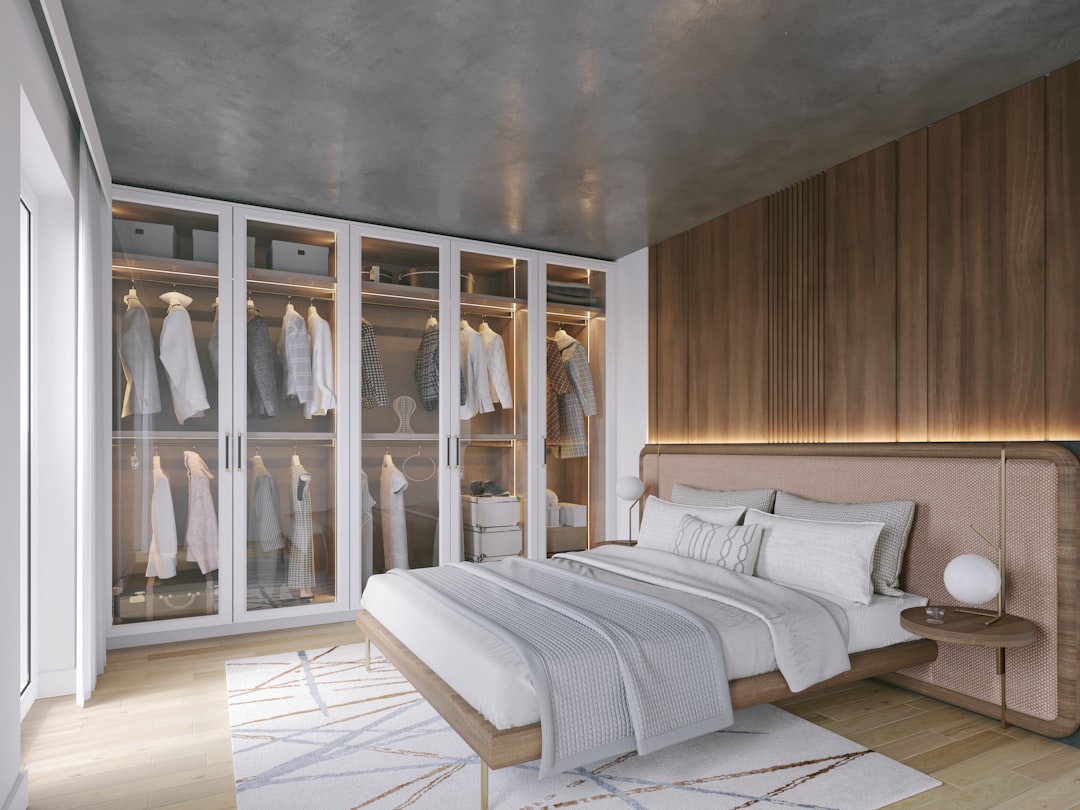
Fitted wardrobe leads are the lifeblood of companies that design, manufacture and install fitted bedrooms — and yet many businesses in the sector still rely on sporadic enquiries and footfall from a single showroom. For a sustainable growth strategy, firms need a predictable, high-quality pipeline of leads that feed design appointments and measurement visits, not just curious browsers. This guide shows how fitted bedroom businesses can generate, qualify and convert the right leads consistently, with practical tactics, channel recommendations and an outline of how outsourced lead engines can fit into the picture.
Why Quality Fitted Bedroom Leads Matter
Leads in the fitted bedroom market are not all equal. A lead who wants a free brochure and a lead ready to book a measurement are miles apart in commercial value. High-quality b2b leads save sales teams time, reduce wasted showroom appointments and dramatically improve closing rates. For companies investing in fitted bedrooms — often a considered, higher-value purchase — the path to purchase includes inspiration, design, measurement, quoting and installation. Each stage needs tailored messaging and a clear call to action.
Prioritising quality over quantity means fewer, better conversations and a healthier return on marketing spend. Good leads also boost team morale: when salespeople speak to genuinely interested prospects, conversion rates rise and forecasting becomes far more reliable.
Understanding the Fitted Bedroom Buyer
Who Are They?
Typical buyers of fitted bedrooms fall into several segments:
-
Homeowners refurbishing an existing bedroom.
-
New-build occupants wanting custom storage solutions.
-
Householders downsizing or reclaiming space.
-
Property professionals (landlords, developers) sourcing for multiple units.
-
Interior designers and architects specifying fitted solutions for clients.
Each segment has different timelines, budgets and motivations. Understanding those differences is essential to crafting targeted campaigns that generate relevant fitted bedroom leads.
Common Buyer Motivations
-
Space optimisation and storage solutions.
-
Desire for a clean, bespoke aesthetic.
-
Value for money and long-term durability.
-
Quick delivery and reliable installation.
-
Design expertise and end-to-end service (measure, design, install).
Typical Purchase Timeline
The purchase cycle for fitted bedrooms tends to be medium- to long-term. Buyers usually progress through:
-
Inspiration and research (weeks to months).
-
Design consideration and quote requests (days to weeks).
-
Site measurement and revised design (days).
-
Final decision and installation (weeks to months).
That means lead generation cannot be a one-off activity: it must include both top-of-funnel inspiration campaigns and bottom-of-funnel mechanisms to secure booked measurements and confirmations.
Where Fitted Bedroom Leads Come From
Successful fitted bedroom businesses use a mix of online and offline channels to attract enquiries. Diversifying channels reduces dependency on any single source and allows better audience segmentation.
Online Channels
-
Organic Search (SEO) — Targeted local SEO for keywords like “fitted bedrooms near me”, “bespoke wardrobe installation” and “fitted bedroom designers” helps attract high-intent searchers. A well-structured website with clear service pages, project galleries and local schema boosts visibility.
-
Pay-Per-Click (PPC) — Google Ads and Microsoft Ads can deliver immediate enquiries when campaigns focus on transactional search terms. Use call extensions, lead forms and location targeting to capture nearby prospects.
-
Social Media — Instagram and Facebook are great for visual inspiration. Shoppable posts, boosted gallery posts and lead forms can convert browsers into leads. Pinterest likewise works well for project-based inspiration.
-
Content Marketing — Blogs, how-to guides, design case studies and downloadable brochures capture interest during the research phase and support SEO. A well-written guide on fitted bedroom layouts can rank and feed the pipeline for months.
-
Local Listings and Review Sites — Houzz, Yelp and Google Business Profile listings are critical. Strong reviews and photo galleries increase trust and click-through rates to contact or booking pages.
-
Email Marketing and Newsletters — Nurturing interested prospects with design tips, seasonal offers, and project showcases keeps the brand front of mind until they’re ready to book a design visit.
Offline Channels
-
Showrooms and Open Days — A professionally staged showroom with pre-booked design consultations remains one of the most effective conversion environments.
-
Home Shows and Exhibitions — Local and regional events put the brand directly in front of motivated renovators and homeowners.
-
Partnerships with Trades — Relationships with builders, architects, estate agents and interior designers generate referral leads. Clear referral agreements and incentives help formalise these channels.
-
Direct Mail — Well-targeted leaflets, brochures and postcards in selected postcodes can still drive local enquiries, especially for store-based businesses.
-
Local PR — Features in regional home and lifestyle magazines or local newspapers raise awareness and generate organic enquiries.
How To Capture High-Value Fitted Bedroom Leads
Capturing high-value leads requires a combination of precise targeting, compelling creative and frictionless conversion paths. The goal is to move prospects quickly from inspiration to a booked measurement appointment.
Design Offers That Convert
-
Free Design Consultation: Offering a no-obligation, in-home or virtual design appointment removes friction at the decision point. Clear messaging — “Book a free 60‑minute design visit” — sets expectations.
-
Measurement and Quote Packages: Split the offer into design and measurement options. Some buyers prefer an initial design chat; others want a site measure and a formal quote. Both should be available and easy to book.
-
Time-Limited Promotions: Seasonal discounts, deposit-free booking windows or capacity-based offers can accelerate decisions without eroding perceived value.
Optimise Contact Forms and Booking Flows
Long, clumsy forms kill conversions. For fitted bedroom leads, capture only essential information up front — name, postcode, preferred contact method and brief project notes — then use a short scheduling tool to book the consultation. Offer multiple contact channels (phone, email, WhatsApp, web chat) since different buyers prefer different methods.
Speed Matters
Lead response time is crucial. Studies consistently show faster responses convert better. For fitted bedroom leads, a response within one hour (especially during working hours) markedly improves the chance of booking a design appointment. Automated SMS follow-ups, immediate email replies and a designated hotline for hot leads keep momentum.
Qualifying Fitted Bedroom Leads Effectively
Not every lead is ready to buy. A simple qualification framework helps the sales team prioritise the most promising enquiries and structure their follow-ups.
Basic Qualification Questions
-
Is the property owner the decision-maker?
-
What is the desired project timeline?
-
What budget range is being considered?
-
Is the space measured, or will a site visit be required?
-
Are there planning or access constraints (stairs, listed building, etc.)?
Capture answers in the CRM so the team can filter and score leads. For instance, a homeowner with a budget and a requirement to start within six weeks scores higher than a browser seeking inspiration with no budget set.
Lead Scoring Model
Implement a simple scoring system that weights critical attributes such as timeline, budget, decision-maker and location. This converts marketing enquiries into prioritised sales lists and ensures the most valuable fitted bedroom leads receive immediate attention.
Lead Nurturing: Turning Interest Into Appointments
Many high-quality leads arrive early in the buying journey and need nurturing. A coordinated follow-up sequence keeps prospects engaged and educates them on the value of the brand.
Nurture Sequence Examples
-
Immediate acknowledgement email with download — a project brochure or design guide.
-
One- to two-day SMS reminder about booking the free design consultation.
-
Three-to-seven-day follow-up emails showcasing similar completed projects and testimonials.
-
Two- to three-week personalised outreach from a design consultant offering to answer specific questions.
-
Ongoing monthly newsletters with seasonal inspiration and availability updates.
Use marketing automation to trigger content tailored to the lead’s stage. For instance, a lead that requested a quote should receive case studies and finance options; a browsing lead should get design inspiration and product stories.
Integrating Leads With Sales Operations
Leads are only valuable when they feed into a repeatable sales process. Integration between marketing systems and the CRM is essential to maintain visibility and measure performance.
CRM Best Practices
-
Use an industry-friendly CRM capable of tracking appointments, measurements, quotes and installations.
-
Automatically create opportunities from web forms and tag each lead by source and campaign.
-
Track lifecycle stages: enquiry → design appointment → measurement → quote → sale → install.
-
Set reminders and automated follow-ups to reduce leakage between stages.
-
Log all communication to build context for the sales consultant before any call or visit.
Accurate pipeline staging gives management clarity on conversion rates at each step and helps identify where leads drop out — enabling targeted improvements.
Measuring ROI: What Metrics Matter?
Understanding which channels deliver profitable fitted bedroom leads requires disciplined measurement. The headline metrics include:
-
Cost per Lead (CPL): Total marketing spend divided by number of leads. Useful for channel benchmarking.
-
Lead-to-Appointment Rate: Percentage of leads that book a design or measurement visit.
-
Appointment-to-Sale Rate: How many booked appointments convert to paid orders.
-
Average Order Value (AOV): Average project value — critical for calculating lifetime value and payback periods.
-
Customer Acquisition Cost (CAC): Total marketing and sales costs divided by customers won.
-
Return on Ad Spend (ROAS): Revenue generated per pound spent on advertising.
Beyond pure numbers, track qualitative feedback: reasons for lost sales, common objections and issues that surface during visits. Those insights drive creative improvements and process tweaks.
Typical Budget Benchmarks and Expectations
Budgets vary by market position, geographic area and channel mix, but some general expectations help with planning:
-
Small regional fitted bedroom companies might allocate 5–10% of turnover to marketing, often focused on local SEO, PPC and showroom events.
-
Mid-sized companies growing into new territories may invest 8–15% to scale brand awareness and drive booked appointments.
-
Large manufacturers and national installers should expect to combine brand investment with targeted lead-generation spend — often running multiple campaigns across search, social and partnerships.
For cost-per-lead in the UK, CPLs for fitted bedroom enquiries can range widely: low-intent inspiration leads may cost £20–£80, while highly qualified, measurement-ready leads often fall between £80–£300 depending on location and competitiveness. These figures depend on targeting precision, creative quality and the offer being promoted.
Common Mistakes That Waste Fitted Bedroom Leads
Several recurring errors undermine lead-generation efforts in this sector:
-
Slow Responses: Allowing hot enquiries to sit unresponded reduces the likelihood of booking a design visit.
-
Poor Qualification: Treating every lead the same wastes design and measurement resources.
-
Overcomplicated Forms: Asking for too much information up front kills conversion.
-
Lack of Measurement: Not tracking source-to-sale means the team can’t optimise campaigns properly.
-
Inconsistent Messaging: Mismatched promises between ads and the salesperson reduce trust and create friction.
How An Outsourced Lead Engine Can Help
Building an in-house, predictable lead pipeline takes time and specialist skills — from audience profiling to campaign creative and sales enablement. Many fitted bedroom businesses choose to partner with a lead generation specialist to accelerate results and reduce operational overhead.
LEAPFLY, for example, positions itself as an outsourced demand engine that combines market research, audience profiling and multi-channel campaigns to deliver high-quality, relevant leads and booked meetings. By aligning campaign targeting with the sales process — booking actual design consultations rather than just capturing contact details — an outsourced partner can dramatically improve lead quality and give internal teams more high-value appointments to convert.
Advantages of partnering with a specialist include:
-
Faster ramp-up of campaigns and immediate access to tested creative.
-
Access to market research and audience segmentation expertise.
-
Dedicated lead qualification and appointment booking services.
-
Clear performance reporting and optimisation rhythms.
Practical Examples and Campaign Ideas
Here are concrete campaign ideas tailored to the fitted bedroom sector:
1. “Book a Free Design Visit” Local Search Campaign
Target high-intent search terms in a 20–40 mile radius with ad copy promising a free design visit. Use call extensions and an immediate booking link. Follow up with an SMS confirmation and a reminder the day before the appointment.
2. Instagram Carousel + Lead Form
Showcase several before-and-after bedroom transformations in a carousel. Use a lead form to collect postcode and desired budget, and offer a free digital brochure. Prioritise form responses that include a booking slot for a consultation.
3. Home Show Follow-Up Automation
Capture leads at a local home show and tag them as “event” in the CRM. Trigger an automated nurture sequence with a special event-only discount and an invitation to the local showroom for a private consultation.
4. Partner Referral Programme
Create a dedicated landing page for trades and designers to refer clients. Offer tracked referral payments or showroom incentives and provide partners with co-branded materials to make referrals easy.
Legal Considerations: GDPR and Compliance
Lead generation in the UK must comply with GDPR and the Privacy and Electronic Communications Regulations (PECR). For fitted bedroom leads, key points include:
-
Consent: If using email or SMS for marketing, ensure explicit consent where applicable. Transactional communications around booked appointments are typically permissible.
-
Legitimate Interest: Some follow-ups can rely on legitimate interest, but businesses should document their assessment and provide easy opt-outs.
-
Data Minimisation: Collect only the information necessary for the next step (e.g. booking an appointment).
-
Storage and Access: Keep lead data secure and accessible for requests such as subject access requests (SARs).
-
Marketing Lists: Comply with the Telephone Preference Service (TPS) and respect unsubscribe requests promptly.
Ignoring compliance risks fines and brand damage. Well-run campaigns incorporate privacy by design and clear consent flows.
Scaling Lead Generation Without Sacrificing Quality
Scaling fitted bedroom lead generation requires refining the core playbook and expanding what works, rather than simply increasing ad spend. Steps to scale effectively include:
-
Document the ideal customer profile and the highest-converting campaign structures.
-
Automate repetitive follow-ups and booking reminders to free the sales team to do what they do best — close deals.
-
Expand into adjacent territories, maintaining local messaging and review presence for trust.
-
Test new creative and channels in small pockets before committing significant budget.
-
Consider augmenting internal capacity with a specialist partner to maintain lead quality during rapid growth.
Case Study Snapshot (Hypothetical)
A regional fitted bedroom retailer implemented a blended approach: targeted Google Ads for transactional searches, Instagram for inspiration seekers and a referral programme for local builders. They partnered with a lead generation agency to manage campaigns and appointment setting. Within six months they saw:
-
50% increase in booked design appointments.
-
30% reduction in cost per sale due to higher lead quality.
-
Improved pipeline visibility that allowed more predictable hiring of design consultants.
The key win was aligning marketing offer to a booked design appointment rather than a brochure download — a small change that drastically improved conversion efficiency.
Practical Checklist To Get Started
For companies ready to turn fitted bedroom leads into predictable revenue, a step-by-step checklist helps focus activity:
-
Define the ideal customer profile and project value ranges.
-
Optimise the website with clear service pages, project galleries and a booking flow.
-
Set up local SEO and Google Business Profile with photos and reviews.
-
Run targeted search campaigns for high-intent queries and social campaigns for inspiration-stage traffic.
-
Implement a CRM with lead scoring and automated follow-ups.
-
Train sales staff on rapid response, qualification and closing appointments.
-
Measure CPL, lead-to-appointment and appointment-to-sale rates — iterate based on data.
Summary
Fitted bedroom leads are most valuable when they are qualified, actionable and aligned with the sales process. The goal is to create a funnel that moves prospects from inspiration to a booked design or measurement appointment as efficiently as possible. That requires clear offers, speedy responses, smart qualification and tight integration between marketing and sales systems.
For firms that lack bandwidth to build this internally, partnering with a specialist lead generation agency can accelerate results. Agencies like LEAPFLY combine market research, audience profiling and multi-channel campaigns to deliver booked meetings and high-quality leads — essentially acting as an outsourced demand engine that fills calendars and drives opportunities for sales teams.
With the right mix of channels, offers and measurement, fitted bedroom businesses can move from feast-or-famine enquiry patterns to a predictable pipeline that supports steady growth and better forecasting.
Frequently Asked Questions
What constitutes a good fitted bedroom lead?
A good fitted bedroom lead typically includes the property decision-maker, a realistic timeframe (e.g. wanting to start within six to twelve weeks), a budget range and a willingness to book a design or measurement appointment. The more these elements are present, the higher the lead quality.
How much should a business expect to pay per lead?
Costs vary. Inspiration-stage leads can be relatively inexpensive (£20–£80), while measurement-ready leads commonly cost between £80–£300 in competitive UK markets. Exact numbers depend on targeting precision, advertising channels, geographic area and campaign creative.
Should fitted bedroom businesses prioritise digital or offline channels?
Both matter. Digital channels (SEO, PPC, social) are essential for reach and scalability, while offline methods (showrooms, home shows, trade partnerships) convert high-value customers and build local trust. A hybrid strategy usually works best.
How quickly should sales teams respond to new leads?
As quickly as possible. A response within one hour during business hours significantly improves the likelihood of booking a design appointment. Automation (instant SMS/email) plus a fast personal follow-up is the ideal approach.
Can an outsourced lead generation agency help smaller fitted bedroom companies?
Yes. An experienced agency can provide market research, campaign execution and appointment booking functions that smaller teams may not have capacity for. This lets internal teams focus on closing and installation while the agency fills the calendar with qualified appointments.