
How to Generate Boiler Repair Leads
Written by Adam Yates
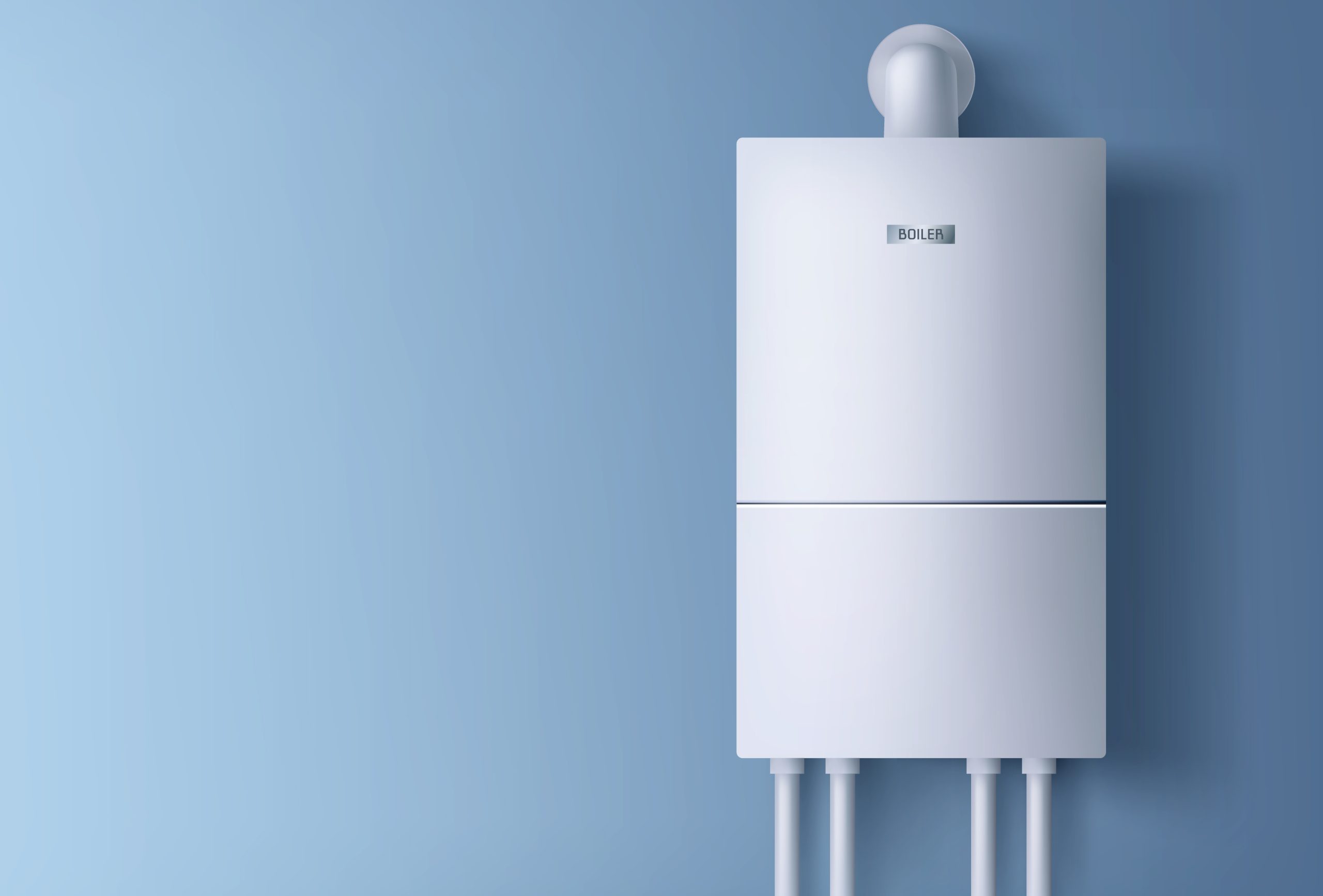
Boiler repair leads are often very different from most other service enquiries. There is no consideration phase, and little comparison or no shortlist. A homeowner who wakes up to no heating or hot water has a priority to get someone out and have the issue fixed asap. They search and call. If you answer, the job is likely yours. If you do not, they call the next number on the list and it is gone.
The repair call itself does not always need to generate profit. The smartest heating companies in the UK treat boiler repair leads as a loss leader, absorbing tight margins on the callout, and making their profit when a new boiler is installed. Done well, that model turns a breakeven repair into a £2,000 to £4,000 installation job.
This guide covers how to generate boiler repair leads consistently, how to convert them at the point of first contact, and how to build the upsell process that makes the whole model profitable.
Why boiler repair leads convert differently
The search intent behind a boiler repair enquiry is as high as it gets in the services market. The customer is not researching options for the future. They have a live problem that is affecting their home right now and they need it resolved. That removes the main barrier that exists in most lead generation, the gap between interest and decision.
A homeowner searching ‘boiler repair near me’ is not going to read three blog posts and request quotes from four companies. They are going to call the first credible local engineer they can find who looks available. Price is a secondary consideration. Speed and availability are everything.
This changes what good lead generation looks like. You are not competing on price or on the depth of your content. You are competing on visibility at the exact moment of the search and on what happens in the first thirty seconds after the call connects. Get those two things right and your conversion rate on boiler repair leads will be significantly higher than on almost any other type of home service enquiry.
Channels that work for emergency repair
Google Business Profile
The majority of emergency boiler repair searches return a map pack above the organic results showing three local businesses, their star rating, whether they are open right now, and how far away they are. Being in that map pack for repair searches in your service area is the single most valuable marketing position for a local heating business.
The signals that determine map pack inclusion are consistent and well-understood. A fully completed profile with boiler repair listed explicitly as a service. Recent genuine reviews, not from two years ago but from the last few weeks and months. Accurate opening hours including whether you offer out-of-hours cover. Reviews that specifically mention fast response and emergency availability perform particularly well for repair searches because they match the intent of the person searching.
Ask every emergency repair customer for a Google review while the relief of having heat back is still fresh. A review that mentions the specific fault and the speed of response is worth far more for repair search visibility than a generic five-star rating with no detail.
Google Ads
Google Ads, and call only ads work particularly well here. The ad copy that converts leads with an urgency and availability message rather than a features list. ‘Gas Safe boiler repairs, same day available, call now’ will outperform ‘Experienced, professional, fully qualified boiler engineers’.
Local Services Ads
Local Services Ads appear above standard Google Ads and include a Google Guaranteed badge alongside your name, rating, and phone number. For heating businesses, this format drives calls, as the verification builds immediate trust, especially when homeowners need help quickly.
Converting the call
In boiler repair, the conversion happens on the phone not on a landing page. A homeowner who has called you is already close to booking. What happens in the first sixty seconds of that call determines whether the job is yours.
The conversation that converts is short and specific. Confirm immediately that you are Gas Safe registered and cover their area. Ask the three questions that matter, what is the boiler doing and is someone home today for an engineer visit. Then give a concrete timeframe. A homeowner told an engineer can be there between 3pm and 4pm today will book on that call.
Missed calls are lost jobs in a way that missed enquiries for planned work are not. A homeowner with a broken boiler will not wait for a callback this afternoon. They have already called someone else. For businesses serious about repair lead conversion, having a live answer option during core hours and a clear callback commitment for out-of-hours missed calls is not a nice-to-have — it is the difference between a full diary and an empty one.
The on-site upsell
The engineer on site after a repair callout is in the best possible position to sell a new boiler. The homeowner has just experienced a breakdown. They are thinking about reliability. They know the boiler is ageing. And they trust the engineer who has just fixed their problem more than they trust any salesperson who might call them later.
The diagnostic conversation is where this either happens or it does not. An engineer who completes the repair, mentions that the boiler is showing signs of further wear given its age, and presents a straightforward comparison between the cost of ongoing repairs and the cost of a replacement, is having a genuinely useful conversation that many homeowners will respond to positively. This is not a hard sell. It is professional advice delivered by someone who has earned credibility in the last hour.
The businesses that convert the highest proportion of repair visits into installations have two things in place. Engineers who are trained and comfortable having the replacement conversation without it feeling like a pitch. And a quoting process that produces a clear, readable new boiler proposal before the engineer leaves — or at the very latest by the end of the same day. A quote emailed a week later, after the homeowner has had time to research alternatives and the emotional moment has passed, converts at a fraction of the rate of a same-day proposal.
Even a ten percent conversion rate from repair visit to new boiler installation transforms the economics of repair lead generation. At an average installation value of £2,500, ten repair callouts generating one installation produces £2,500 in installation revenue on top of whatever the repairs earned. If the repair campaigns cost £400 to run and the callouts broke even, the return on that £400 is a multiple that no other lead source in the business is likely to match.
Property managers and landlords
The most reliable repair pipeline for a heating business comes from property managers and landlords who need a dependable contractor on call for their portfolio.
A landlord with a portfolio of rental properties does not want to search Google every time a tenant reports a fault. They want one number, an engineer who arrives when expected, and documentation that covers their legal obligations. A heating business that offers guaranteed response times, a named contact for urgent jobs, and compliance paperwork sent automatically after every repair is offering something most emergency callout competitors cannot match.
Building even two or three of these relationships through proactive outreach to letting agents in your area can generate a consistent flow of repair work that fills gaps between residential emergencies and provides revenue predictability that ad-driven callouts alone will never give you.
FREQUENTLY
ASKED QUESTIONS
Is it worth running paid ads if margins on repairs are tight?
Yes, precisely because the margins on repairs are tight. The real return on repair lead generation is not the repair revenue, it is the installation revenue that follows when the engineer identifies a boiler that is worth replacing. Businesses that understand this model treat repair ads as a customer acquisition cost for installation sales, not as a direct revenue generator. Evaluated on that basis, the ROI on repair lead campaigns is often the best of any channel in the business.
How do we get more Google reviews for an emergency response?
Ask for them specifically. After every emergency callout, send a brief text or email asking the customer to mention in their review how quickly you responded and what the issue was. Give them the direct link to your Google review page. Most satisfied emergency customers are happy to leave a detailed review — the experience of having heat restored quickly is memorable enough that they want to share it. Reviews mentioning ‘same day’, ’emergency’ and ‘fast response’ directly improve your visibility for repair searches.
Written By
Adam Yates
Managing Director
As Managing Director at LEAPFLY, I build predictable pipelines that scale growth for brands. I lead high-performance marketing and development strategies, turning data into measurable return on investment.
READY TO SCALE?
Start generating high-intent leads and search interest into a predictable, revenue-driven lead engine.